21 September, 2011

Diet for diabetics|Tips

Diet for diabetics|Tips

3

Dealing with a therapeutic condition can be difficult. Managing the diet is of utmost important but it mostly comes at a cost of either following a very difficult routine or being given options that are unappetizing making it difficult to manage the condition through diet.2

Diabetes is one such therapeutic condition where managing the diet is critical to ensuring that the insulin levels are in control. Diabetes is relatively easy to control with a help of correct diet and exercise program.

The rise in blood sugar is seen due to eating unhealthy, not exercising and consuming fattening foods. This can be managed or controlled by eating foods that slowly breakdown in the body and slowly release the glucose in the body preventing the blood sugar levels to rise quickly. These particular kind of foods are also known to have a low-glycemic index Every diet program also needs to be customized your body type and physical needs. People that are more active require different calorie intake versus people who are not so active.

4

Some of the foods highly recommended for diabetic patients are vegetables like green peas, broccoli, cabbage, cauliflower, bitter gourd, garlic etc are some of the healthy options. Eat beans, green vegetables, chickpeas, dals etc which will keep you fuller and maintain blood sugar levels. Include fengureek, Basel leaves and some quantity of lean meat and fish.

Diet alone will not be as effective. Exercise fit for your physical ability and body type is essential to show results. If you find it difficult to get started then condition your self slowly to set a routine. Tell yourself everyday in the evening you will go for a walk, water your plants or just engage in mid intensity household chores. Slowly increase the intensity and explore activities that will keep this routine going. Better still you can even get together with your friends or family to play a light sport or go for a walk /jog in the evenings or early mornings.

5

Lastly maintain a strict routine for your meal timings. Even if you watch what you eat and exercise regularly but don’t care about your meal timings it can completely harm the momentum. Make sure you dont skip your meals and eat them at recommended intervals so that the body is able to function normally.

In case you find it difficult to get started on your own then you can get professional help. This can help you atleast get started on a routine and get you on track before you can independently take charge of your health  and adopt a healthy lifestyle for good.

10 September, 2011

Everyday health hazards for women|Health

Everyday health hazards for women|Health

From wearing your make-up to bed to lugging around heavy handbags, you could be compromising your health on a daily basis without even knowing it.

0-0

MSN investigates the everyday habits you should try to break to help improve your health.

Carrying a heavy handbag

bag

Have you ever weighed the handbag you lug around all day? Apparently the average handbag can weigh up to one stone! With mobile phones, purses, sunglasses, the odd book, make-up bags, umbrellas as well as a whole host of our day-to-day essentials, we are putting our bodies under strain and stress. Hauling around a heavy handbag can lead to serious neck and back problems. When holding a bag, your neck naturally leans away from the load to help balance the weight. This can cause tension and compression in the neck resulting in neck pain. Your back can also suffer greatly with the heavy load causing back spasms, disc degeneration and prolapse, painful arthritis in the facet joints and poor posture.


Wearing the wrong bra size

2-2

On average 80% of women are wearing the wrong size bra, which can lead to a number of problems, including back pain, restricted breathing, scarring underneath the breasts, abrasions, breast pain and poor posture. If your breasts are spilling out of your current cup size, or the bra rides up your back, and the straps dig into your shoulders then you are wearing an ill-fitting bra. So make sure you get yourself measured and get the support that you need.


Emotional eating

eat

It's easy to turn to that huge bar of chocolate when you're feeling a bit low but think of your waistline. Craving junk food when you're sad is natural but by binge eating you will only find temporary relief and will not be solving the underlying issue that is causing you to feel blue. Try not to turn to food for that comfort and seek out other ways to cope with your problems. Increase your feel-good endorphin levels by being more active.


Wearing high heels

heel

High heels may look lovely but wearing heels higher than two inches daily could be causing you a variety of health troubles. Not only are you putting pressure on your joints but the height of your shoe heel can affect your body's alignment, putting pressure on both the back and on the balls of the feet causing headaches, bad posture and eventually could lead to arthritis.


Sleeping in make-up

sleep

We've all done it. After a night on the town we've stumbled into bed without taking of our make-up off. But the dirt and oil that accumulates overnight can clog pores and congest our skin causing spots. Sleeping with mascara and eye make-up on can also cause eye irritation, bloodshot eyes or even infection.


Lack of sleep

sleep

Research has found that nearly 40% of adults in the UK are failing to grab their 20 winks and that sleep problems affect more women than men. A bad night's sleep can affect you in a multitude of ways. Sleep deprivation can kill your sex drive, increase accidents, hamper your performance at work, increase your calorie consumption and even age your skin.


24 August, 2011

The wonders of cinnamon Controlling diabetes

The wonders of cinnamon Controlling diabetes

Cinnamon is one must-have spice in your kitchen. It has numerous health benefits that you can easily combine in your everyday meal.

china

Cinnamon and its nutrients

It has a spicy, sweet flavour, and is used to flavour a variety of savouries. Besides its fiery aroma and flavourful kick, cinnamon is loaded with numerous health benefits.

This spicy bark is a great source of minerals like potassium, calcium, iron, zinc, manganese and magnesium. It also contains high amounts of vitamin-A, niacin, pantothenic acid and pyridoxine.

Cinnamon contains loads of anti-oxidants, in addition to fibre -- that can do wonders for your body.
Health benefits of cinnamon:

Helps lower cholesterol: Studies suggest that adding half a teaspoon of cinnamon can help lower bad cholesterol, aiding your heart health.

Treating infections: Cinnamon is known to have anti-bacterial, anti-microbial properties that can help stop infections, particularly yeast infections and bacterial infections. In fact, adding cinnamon to food inhibits bacterial growth and food spoilage, making it a natural food preservative.

Controlling diabetes: Several studies suggest that cinnamon may have a regulatory effect on blood sugar, making it especially beneficial for people with type-2 diabetes.

c-1

Anti-clotting quality: Cinnamon has an anti-clotting effect on the blood.

Reduce inflammation: Studies have shown that one tablespoon of cinnamon a day can help provide significant relief in arthritis pain and swelling.

Aids digestion: Cinnamon helps reduce indigestion, flatulence and nausea. The high fibre content in cinnamon can provide relief to people with irritable bowel syndrome.

Natural warmer: In winters, adding some cinnamon to your diet can help increase your body temperature.

Boosts memory: Cinnamon helps cognitive function and boots memory.

Cancer-fighting properties: Since cinnamon has both calcium and fibre, it helps remove bile (a yellow-green fluid made by the liver) and prevent one of the potential causes of colon cancer.

Advisory against cinnamon

Excessive use of cinnamon stick may cause inflammation of taste buds, gum swelling and mouth ulcers. Also some people can be allergic to cinnamon.

Source: www.mdhil.com

23 August, 2011

TOP 25 REASONS TO GET RUNNING DAILY

TOP 25 REASONS TO GET RUNNING DAILY

Running is one of the best forms of exercise, not only for getting fit but for weight control too. A 30-minute run, three to four times a week, trims your waistline, strengthens the cardiovascular system, improves muscle tone and definition and helps foster a positive mental attitude. Running can also be a great social activity. Here are the top 25 tips on why you should start running today.

1. Running is the quickest way to cardiovascular fitness. You get fitter faster by running regularly.

2. Running is one of the cheapest forms of exercising. You only need a pair of running shoes and shorts and T-shirt to get started.

3. Running is easy to learn. Most people have run at some point in their life, either competitively or at school/college, so there is no steep learning curve involved.

4. Running makes you feel good, not only physically, but mentally as well.

5. Running is excellent for reducing stress levels. There is nothing better than a run to clear your head and concentrate the mind. Many great ideas have been formulated on training runs.

6. Running is one of the most flexible methods of training around. Wherever you are in the world, it is nearly always possible to get out for a run. You can jog, steady run or sprint depending on how you feel that particular day.

7. Running is good for your heart. It not only strengthens the heart but also reduces the actual resting heart rate.

8. Running is accessible to all. As long as you are physically able, you can go for a run virtually anytime and anywhere. There are no race barriers to running.

9. Running helps you to lose weight and tone muscles. The more your train and run, the more weight you will lose. Also by toning up, you are getting rid of the excess fat and converting it to muscle.

10. Running is for people of all ages. Old or young, everyone can benefit from running.

11. It is good for your sex life! By being more physically active you increase your sex drive.

12. When run training, you can get away with eating chocolate and legitimately say it is part of your training program.

13. Running is a great way to recover from a hangover. A run will help clear your head faster than sitting around feeling terrible.

14. Running is a great safety aid. Being able to run away from people puts you in a much better position if you are chased.

15. You can use running to change other people's lives. Run for a charity and raise money to help the needy or less able.

16. Running with friends gives you time to catch up on gossip and get fit at the same time.

17. Running is a time-efficient way to get fit and lose weight so you have more free time after exercising to enjoy yourself.

18. Running is a challenge that can be motivational and bring great personal satisfaction.

19. Running is a great way to see a new place if you have limited time available for sightseeing. Just think how much more of a place you can see when running around it compared to walking.

20. Running improves your concentration as you are forced to concentrate more when running. This in turn improves your concentration when you have to focus in other areas of life.

21. You nearly always work better after a run because you are still on a runner's high and feel ready for anything.

22. Running is a great way to meet people, especially if you join a club or enter a race.

23. There are no monthly subscriptions with running. You just put your running shoes on and go.

24. Endurance built-up through running can be transferred to other sports.

25. If you drink alcohol you can just run a little bit further the next day to work off the extra calories.

30 July, 2011

Top 10 Best Vegetables|health-Food

Top 10 Best Vegetables|Health-Food

These 10 vegetables are some of the healthiest foods (listed in no particular order).  Try to eat as many different kinds of vegetables as you can.  And each day, try to eat at least one red or orange colored vegetable.

 
Broccoli

0

Broccoli is among the healthiest among vegetables. 
It is an excellent source of calcium, potassium, vitamins A and C, anti-oxidant, beta-carotene, and folate.  These help reduce the chances for cancer and heart diseases. It also provides insoluble fiber and many other phytonutrients that are anti-cancer agents, stimulate cancer-fighting enzymes and neutralize oxidation.  It also has compounds that can reduce tumor formation.


Cabbage

2

Cabbage is a member of the cruciferous vegetable family that is rich in phytochemical.  It is impressive with its high content levels of calcium, iron, iodine, potassium, sulfur, and phosphorus.  In the vitamins department, it is loaded with vitamins A, B1, B2, B6, C, E, K and folic acid.  This humble vegetable is a rich source of a number of phytonutrients which help boost our defense mechanisms, blocks the reaction of cancer-causing substances, detoxifies and eliminates harmful toxins and hormones, and stimulates production of antibodies to fight cancer.


Carrot

3

Carrot is one of the most healing foods that provides the finest and highest quality in nutrients, especially from its juice.  It is an excellent source of pro-vitamin A, vitamins C, D, E, K, B1 and B6. It is rich with biotin, potassium, calcium, magnesium, phosphorus, organic sodium and some trace minerals. The known phytonutrients in carrots are lutein, lycopene, anti-oxidants alpha, beta and gamma carotenes, zeaxanthin and xanthophyll, nature's marvelous provision for healing of various diseases.


Celery

4

Celery leaves have high content of vitamin A, whilst the stems are excellent source of vitamins B1, B2, B6 and C with rich supplies of potassium, folic acid, calcium, magnesium, iron, phosphorus, sodium and plenty essential amino acids.  Nutrients in the fiber are released during juicing, aiding bowel movements. The natural organic sodium (salt) in celery is very safe for consumption, in fact is essential for the body. Even individuals who are salt-sensitive can safely take the sodium in celery, unlike table salt (iodized sodium) which is harmful for those with high blood pressure.


Dark Leafy
Vegetables

5

Dark leafy vegetables such as kale, collards and spinach contain a host of excellent disease-fighting phytonutrients.  In addition, they are rich in vitamin C, beta-carotene, fiber and vitamin K that is bone-building and anti-clotting.  The chlorophyll in these greens help block the damages that convert healthy cells to pre-cancerous cells.  They contain some phytochemicals that protect against cancers and prevent harmful carcinogens from initiating cancer.


Capsicum

6

Capsicums or bell peppers are colorful.  Their rich pigmentation are full of anti-oxidants and carotenoids that help lower the risks of age-related blindness due to macular degeneration.  Hot peppers contain concentrated amounts of capsaicin, which is useful in treating pain and inflammation.  It also inhibits oxidation of cholesterol.  Chlorophyll in capsicums protect against environmental free radicals.


Sweet Potato

7

Sweet potato is a rich food that is high in beta-carotene and helps prevent cancers of the stomach, pancreas, mouth and gums.  It contains potassium that help lower blood pressure, vitamin B6 which help prevent heart disease, vitamin C and insoluble fiber which prevents constipation and diverticulosis.  This root vegetable also has caffeic acid, which may fight cancer and the AIDs virus.


Tomato

8

Tomatoes have very low calories and are dense with anti-cancer compounds that help neutralize the free radicals in our body.  Ripe red tomatoes contain lycopene that has been shown to be extremely protective against cancers of the breast, colon, lung, skin and prostate.  Its cooked products like sauce, paste and puree contain up to five times as much of the precious lycopene.


Garlic

9

Garlic has an admirable source of vitamins A, B-complex and C.  It provides a good supply of minerals like manganese, phosphorus, calcium, copper, potassium, iron and copper.  It also contains amino acids, essential oils, glycosides, and the rare essential trace minerals like germanium, selenium and tellurium.  Garlic amazingly contains more than 12 types of anti-oxidants.  Is it any wonder that it has numerous healing virtues?  This is one of the few superfoods that doesn't lose its medicinal properties with cooking.


Alfalfa Sprouts

10

Alfalfa sprouts is the top source of anti-oxidant among all vegetables. It can prevent untold number of degenerative diseases, like heart disease, menopausal symptoms, osteoporosis and even cancer.  Alfalfa sprouts contain a myriad of valuable nutrients such as calcium, folic acid, magnesium, manganese, molybdenum, phosphorus, potassium, silicon, sodium, zinc. This is the only plant that supplies the full range of vitamins, from vitamin A, B complex (even B12), C, E to K, and nutritious blood-healing chlorophyll.


25 July, 2011

5 Speedy makeup looks|Fashion,Beauty

5 Speedy makeup looks|Fashion,Beauty

Are you always rushed to look presentable before dashing out of the door? Stop fussing and copy these less than-a-minute looks that these leading ladies are sporting.

Kareena Kapoor
Super moisturised and glowing

1-1

One of the fastest ways to glam up before a party is to follow our very own sex kitten Kareena's look. Simply load up your skin with a good moisturiser massage it in, and apply a makeup primer over that to get dewy skin. Then apply a lipstick that matches your natural lip colour, and add a coat or two of clear gloss or balm over to amp up the shine. Line your upper and lower lash lines with a smudgeproof liner.


Anoushka Sharma
Soft focus and romantic

2-2

Follow Anoushka's suit and apply a pink blush over the apple of your cheeks with a big fluffy blush brush. Sweep two coats of lengthening mascara on your lashes to open up your eyes, and put on an earthy pink creamy lipstick directly from the tube without lining your lips.


Deepika Padukone
Warm and matte

3

On a hot summer day, and on very rainy days even toned skin that is softly matte with being dry looks amazing. Deepika's got it just right. It works well when you have some serious client meets at work without time for touch ups. Hydrate your skin well, then use a concealer over blemishes, and apply a mattefying mousse foundation with a brush or a damp makeup sponge to get the flawless finish. Finish the look with a lip balm and a coat of lash curling mascara.


Jacqueline Fernandes
Candy floss pink lips

4

There's nothing girly or demure about pink lips, when the pink is the tone that complements your complexion. Check out Jacqueline who looks sensuous in Barbie pink lipstick. To get her full on oomph, line your mouth with a bright pink lip liner and fill your lips in. then apply a creamy pink lipstick in the same shade as your liner over it with a lip brush, without drawing the mouth.


Rani Mukherjee
Smudged and lived-in

5

You can never go wrong with the smoky eyed look, just like Rani here. She magnifies the sexiness of her light coloured eyes by simply smudging a dark shadow over her upper lids and keeps the rest of the face pretty neutral with nude lips and no blush. Try her trick by tracing your upper and lower lash lines with a black eye liner or kohl pencil. Then softly smudge the thick line on your upper lash line with your ring finger, taking it up and outwards. Finish lightly smudging the line at the outer corner of your lower lash line.


06 July, 2011

Looking & Feeling Tips to look great during pregnancy|Health

  Looking & Feeling Tips to look great during pregnancy|Health

Emotional upheaval and changing body shape can be tough to work around when it comes to looking good when you are having a baby, but the increased hormone levels, and blood flow in your body works wonders for the skin and hair. Here’s how you can work it.

3

Be beautiful at every stage
Pregnancy can be the most beautiful phase of your life; you just have to take a little extra care. The way pregnancy changes your appearance can be both wonderful and scary.

First Trimester

  • The first trimester is often the most difficult for women when your body is getting ready for the coming changes. Skin tends to get more sensitive. So change your skin care regime and shift to gentle moisturisers, and soap-free cleansers.
  • Look for fragrance-free products and avoid whitening, anti-ageing, or anti-acne creams as the chemical compositions may react on your skin due to heightened levels of hormones.
  • Treat yourself to a soothing facial and pedicure. Ask your therapist to use unscented creams. Simple cold cream is one of the best options as they are harmless and gentle on the skin. Avoid harsh face scrubs.
  • This is the time when skin gets very dry, especially on your body. Shift to heavy-duty hand and body lotion. You may need to increase the number of times you moisturise your skin.

Second Trimester

  • By the time you enter the second trimester, your body gets attuned to the changes, and the hormone levels get adjusted. Your skin gets a rosy glow, and for most the skin clears up.
  • Since the bump starts to show, your skin around the stomach gets stretched. Avoid getting stretchmarks by using creams or oils rich in vitamin E. It helps in keeping the skin's texture firm.
  • One of the best sources of vitamin E is almond oil. Gently massage in a little oil every time you get an urge to scratch your skin.
  • Get a help at home to regularly massage your legs as well with the same oil to deal with swollen limbs and varicose veins.

2

Fight skin worries

During pregnancy your skin is the first to take the brunt of the changes in your body. Some of the common problems include very dry, itchy skin, melasma, acne, stretch marks. Do not despair; these can be treated during and after pregnancy to leave you with a flawless complexion.

  • Dry flaky skin: If your skin feels very dry and taut rough to touch especially around your stomach, hands and legs, just double your dose of moisturizer. Generally this condition vanishes after your delivery. Almond oil- or cocoa butter-based creams tend to work wonders in soothing the skin during this period. Apply twice a day at least after bath on a slightly damp skin.
  • Melasma: Also known as "pregnancy mask", this is basically brown pigmentation around the eyes, on the cheeks and sometimes above the lip. The hormonal changes combined with exposure to the sun can cause this complexion problem. Wear a broad-spectrum sunscreen that blocks both UVA and UVB rays. Look for sunscreens with titanium, zinc or Parsol 1789. In most cases melasma vanishes naturally post delivery. However if yours refuses to go away, then you can treat it post pregnancy with AHA- and retinoid-based creams.
  • Acne: Onset of pimples during pregnancy is a tricky business as you cannot treat an outbreak with regular medicines. You need to be very cautious when fighting this problem. Antibiotics containing tetracycline and Accutane are a strict no-no. You can opt for a topical cream or pill with low dose of antibiotic erythromycin. However avoid using acne creams with beta-hydroxy that acts like aspirin which can cause excessive bleeding in pregnant women. To treat acne you must consult both your dermatologist and your obstetrician.
  • Stretch Marks: It is the biggest issue with all pregnant women. This happens due to loss off elasticity as upper and lower layers of skin start to stretch. They generally appear as red marks, which slowly fade to form white strip like marks across your stomach. With timely treatment you can lighten the marks. You can start with an emollient with vitamin E oil. Laser also works but it is best to wait until after your pregnancy to try the treatment.

Work your glow with makeup

Show your happiness at being a mom to the world by looking good. Make most of your natural radiance. Agreed you may feel exhausted and not at your best, but a little effort always helps.

  • Since your complexion is clear (unless you develop melasma) you don't need foundation. Just dust a little translucent powder to set the base for makeup. Use a pink or peach creamy lipstick, a bit of kajal, and mascara. You are set to face the world.
  • Avoid fashion colours during these months, what with the mood swings you may feel more depressed than happy at looking trendy. Also don't try colours with pearly texture as most have mica.

  • Mineral makeup powders are a good choice during pregnancy - they are gentle on the skin, and don't cause allergies.
  • In case you need to hide the pigmentation, use a concealer under a light foundation. Balance any pigmentation by dusting a little bronzer on your cheeks.
  • Enhance your enjoyment of the new status with a spritz of light, fresh scent like lavender or something citrus. Avoid going for very heavy florals or orientals as they tend to overpower your senses.

30 June, 2011

How to slay 'the emperor'Indian American cancer specialist Siddhartha Mukherjee|Health

How to slay 'the emperor'Indian American cancer specialist Siddhartha Mukherjee|Health

sid

Indian American cancer specialist Siddhartha Mukherjee, whose very first book has become a runaway success, advocates a strong anti-smoking campaign and breast cancer screening to battle the growing incidence of the disease in India.

Siddhartha Mukherjee's book, "The Emperor of All Maladies: A Biography of Cancer", features among "The 10 Best Books of 2010" in the New York Times Book Reviews.

Less than a month after publication, Mukherjee's book, "The Emperor of All Maladies: A Biography of Cancer", on the history of the disease, features among "The 10 Best Books of 2010" in the New York Times Book Reviews Sunday, a rare feat for a work of non-fiction.

"Cancer is growing dramatically in certain parts of South Asia," New Delhi-born Mukherjee told IANS on phone from New York where he practises, blaming increase in tobacco smoking as "clearly one culprit among young men and women".

"But there are other culprits too," he says. "As the population ages and other diseases are slowly eliminated, cancer begins to come about."

"Cancer rises in the double negative only when all the other killers have been killed. So I think that's beginning to occur in some parts of South Asia."

Author Siddhartha Mukherjee.

To those who wonder if it is relevant to a country like India as "cancer treatment can be so expensive and such a vast enterprise, his answer is "absolutely, at all levels."

"A strong prevention campaign against smoking is not all that expensive and is highly relevant to the future of our health in India," said Mukherjee, assistant clinical professor at the oncology department at Columbia University, New York.

Similarly, screening for breast cancer in the appropriate age group and its treatment with hormonal therapy "and certainly treatment of childhood cancers which are often curable are highly relevant to a country like India," Mukherjee said.

Mukherjee, 40, who grew up in New Delhi's Safdarjung Enclave, "immersed in reading and books" at home and at St. Columba's School, says he "came into oncology in a sort of reverse, in the sense that I first trained as a cellular biologist when I was in Oxford as a Rhodes scholar".

Smoking is one of the main causes of cancer.

"So I really came from the cell into medicine. Many people first train in medicine, then eventually get fascinated by cells."

Mukherjee says he wrote this book because when he was a fellow in training in Boston, "I kept coming over this question again and again: what is the history of cancer, what's happening next and where are we going?"

In particular, a woman he was treating told him: "I am willing to go on with my chemotherapy, but I need to know what it is that I am battling."

"Answering that question was the genesis of the book," he said. The somewhat intriguing title "was found handwritten on an antiquarian book on cancer - emperor of all maladies and king of all terrorists".

The book isn't meant for the medical profession alone.

Mukherjee said he chose to subtitle it a "biography" after a lot of thought. "A successful biography allows you to enter the interior of the mind or the personality of someone. So as I was writing the book, I really felt I was drawing a portrait of cancer through time, acknowledging the fact that cancer was not one disease, but many diseases."

"Nonetheless, there is a sentence in the book which says, 'every era casts illness in its own image and certainly every era has cast cancer in its own image'. So I felt that this project could only be described as a biography," he said.

The book isn't meant for the medical profession alone. "The target is everyone. The point of this book was to make this world of medicine and science and culture accessible to anyone who is interested," Mukherjee told IANS.

"This is a disease that has developed in our times in a very poignant way. So I intend this book to be read by anyone who wishes to find out about it: patients and people whose loved ones are affected by cancer or any person interested in its history."

"There is unlikely to be a single magic bullet against cancer given the level of heterogeneity."

Mukherjee says one of the book's key messages was "There is unlikely to be a single magic bullet against cancer given the level of heterogeneity."

Secondly, given the fact that "many cancers are part of our normal genome, it's unlikely that we'll eradicate or cure every form of cancer" - like we did with smallpox or polio.

"Some variation of this disease is inherent to our genetic makeup and it's more likely that we'll learn to control it rather than eradicate it or cure it in the future," says Mukherjee.

Though "still in a daze about what's going on about this book", he is quite sure he is not going to turn a full-time writer. "No I think, I will stay with where I am - which is practising medicine and writing about medicine."

Source: IANS

What you ought to know about cancer|lifestyle & Health

What you ought to know about cancer|lifestyle & Health

What is cancer?

The word cancer originates from a Latin word meaning crabs. Cancer is described as a disease in which abnormal cells divide without any control and invade the surrounding tissues. When these cells uncontrollably divide to form lumps or masses called tumours, it can be harmful to the human body. These cancerous cells, also known as malign cells, tend to move around the blood vessels destroying the healthy cells of the body.

There are different types of cancer and each type has different symptoms. The symptoms depend upon the location of the tumour. For example colon cancer often causes diarrhoea and blood in the stool.

Most cancers cause fatigue, chills and loss of appetite amongst other symptoms. So far, this disease has caused approx. 7.1 million deaths around the world. When dealing with cancer, there are certain points that are important to keep in mind:

- It is not contagious as no one can catch it from someone else.
- It is not caused by bumps or bruises.
- There are only three approved modalities for the treatment of cancer - surgery, radiation and chemotherapy. All these are based in the allopathic theory of medicine. The approach is to destroy the organisms or cells causing the disease.

There are different types of cancer such as Carcinoma, Sarcoma and Leukaemia. Carcinoma is a malignant neoplasm of epithelial origin that arises in the tissues of the body organs. Sarcoma refers to tumours that originate in bone, muscle, cartilage, fibrous tissue or fat. Leukaemia is cancer of the blood or blood-forming organs. When leukaemia develops, the body produces a large number of abnormal blood cells.

Use of tobacco, certain diets, alcohol, exposure to ultraviolet (UV) radiation, and to a lesser extent, exposure to cancer causing agents (carcinogens) in the environment and the workplace are some of the potential catalysts of cancer. Cancer develops over time when certain normal genes start mutating. Such cells multiply rapidly and become malignant. These gene mutations occur due to a complex mix of factors related to lifestyle, heredity and environment.

Cancer can affect just about every organ in the human body. Many people are surprised to learn that cancer can affect parts of the body like eyes and the heart.

It's important to remember that when cancer-like symptoms appear, it's not always cancer. Infections, benign tumours, or other problems may also cause them. It is important to see the doctor about any of these symptoms or about other physical changes. Diagnostic tests are available for most common cancers. If diagnosed early, chances of surviving cancer are greatly increased.

Source: www.mdhil.com

Top Ten smart ways to go green while shopping|Health

Top Ten smart ways to go green while shopping|Health

Everything you buy affects the environment, but some choices are better than others. If you believe in the “Change begins with me” motto, here are some cool ways of going green when you go shopping. And not just going green... saving money too!

0


Make a list

1

Even before you are actually doing your weekly shopping you can start being eco-friendly. Make a list of everything you need to buy so that you can save on making any unnecessary trips in your car again, just because you forgot buying the potatoes. Just a bit of pre-shopping preparation can save fuel, money and effort.


Buy local

2

Much of the food we buy in the grocery store that usually could be bought locally is shipped in from other parts of the country. Why not just buy from local farmers to get fresher produce that will taste better? What's more, you reduce your carbon footprint by not buying products that needed to be transported from far away.


Avoid excess packaging

3

Look for products that have less packaging, or buy in bulk -- you'll have less to throw away. You can also buy items with packaging that can be reused or recycled.

Also, if you can, put all your products in one bag, even if it is from different shops.


Check the energy star label

4

Look for the BEE Star Energy Efficiency Labels when buying new kitchen appliances or electronic items. The Bureau of Energy Efficiency (BEE) Star Energy Efficiency Labels have been created to standardize the energy efficiency ratings of different electrical appliances and indicate energy consumption under standard test conditions.

You not only save energy consumption but also money on your electricity bills.


Buy used

5

Items like books, CDs, furniture and even cars in good conditions can be easily brought at a used goods store. Buying used items means that your purchase doesn't use more resources or energy.


Buy recycled

6

When buying items like tissue rolls or bags, get stuff that is made from recycled materials. Buying items made with recycled-content materials means that fewer natural resources, such as trees, were used to produce the products.

Products made from recycled paper, plastic, and other materials are usually easy to recognize in the store -- just read the labels. Try starting with school supplies. Many stores carry recycled notebooks, pens, and other products.


Buy durable items

7

Instead of buying disposable products, which are wasteful, buy things that will last a long time, such as rechargeable batteries and reusable ceramic mugs for drinks. Junk the paper towels and buy cloth napkins instead for your kitchen and table that can be washed and reused over and over.


Share and swap

8

Another way to save resources and energy is to swap with friends and family instead of buying brand-new products. Maybe you and your friends like the same video games. Why not share your games instead of each of you owning the same game? Or maybe you can rent the game first to see if you really want to own it.


Buy in bulk

9

Small sizes use more packaging for each ounce of product than larger sizes. So, if you buy large sizes, you save money, reduce waste, and help the environment.

Items with longer shelf life can easily be brought in larger quantities like rice, flour, pulses and cereal.


Carry your own bags

10

The most basic way you can contribute to going green is to carry your own bags, preferably cloth or jute and avoid using plastic bags. When out shopping, if it's just for one or two items, don't accept a plastic bag. And reuse the ones that you do have.
Don't just throw away the plastic bag you get from stores, stash it and carry it for the next time you go shopping.


29 June, 2011

A cup of tea can boost your brain power|Eat & Health

A cup of tea can boost your brain power|Eat & Health

New research suggests that tea does bolster brain power, keeps fatigue at bay while helping you to solve crosswords faster.

tea

Researchers looked at the effect of key chemicals found in tea on the mental performance of 44 young volunteers.

The effects of these ingredients, an amino acid called L-theanine -- also found in green tea -- and caffeine at levels typically found in a cup of tea, were compared with a dummy treatment, the journal Nutritional Neuroscience reports.

The active ingredients significantly improved accuracy across a number of switching tasks for those who drank the tea after 20 and 70 minutes compared with the placebo.

The tea drinkers' alertness was also heightened, the study found, according to the Daily Mail.

Tea was also found to reduce tiredness among the volunteers, who were aged under 40, according to the Dutch researchers.

Tim Bond of the industry-backed Tea Advisory Panel said the latest findings backed a previous study, which showed drinking two cups of black tea "improves the ability to react to stimuli and to focus attention on the task in hand".

Source: IANS

27 June, 2011

Top 10 tips for better sleep |Health

Top 10 tips for better sleep |Health

If you're having trouble sleeping, change your sleep habits for a better night's rest.

Feeling crabby lately? It could be you aren't getting enough sleep. Work, household responsibilities and child care can make sleep difficult to come by. Factor in other unexpected challenges, such as financial worries, layoffs, relationship issues or an illness, and quality sleep may be even more elusive.

You may not be able to control or eliminate all of the factors that interfere with your sleep, but you can create an environment and adopt habits that encourage a more restful night. Try these suggestions if you have trouble falling asleep or staying asleep:

Go to bed and get up at about the same time every day, even on the weekends. Sticking to a schedule helps reinforce your body's sleep-wake cycle and can help you fall asleep more easily at night.


Don't eat or drink large amounts before bedtime. Eat a light dinner at least two hours before sleeping. If you're prone to heartburn, avoid spicy or fatty foods, which can make your heartburn flare and prevent a restful sleep. Also, limit how much you drink before bed. Too much liquid can cause you to wake up repeatedly during the night for trips to the toilet.


Avoid nicotine, caffeine and alcohol in the evening. These are stimulants that can keep you awake. Smokers often experience withdrawal symptoms at night, and smoking in bed is dangerous. Avoid caffeine for eight hours before your planned bedtime. Your body doesn't store caffeine, but it takes many hours to eliminate the stimulant and its effects. And although often believed to be a sedative, alcohol actually disrupts sleep.


Exercise regularly.

Regular physical activity, especially aerobic exercise, can help you fall asleep faster and make your sleep more restful. However, for some people, exercising right before bed may make getting to sleep more difficult.


Make your bedroom cool, dark, quiet and comfortable. Create a room that's ideal for sleeping. Adjust the lighting, temperature, humidity and noise level to your preferences. Use blackout curtains, eye covers, earplugs, extra blankets, a fan or white-noise generator, a humidifier or other devices to create an environment that suits your needs.


Sleep primarily at night. Daytime naps may steal hours from nighttime slumber. Limit daytime sleep to about a half-hour and make it during midafternoon. If you work nights, keep your window coverings closed so that sunlight, which adjusts the body's internal clock, doesn't interrupt your sleep. If you have a day job and sleep at night, but still have trouble waking up, leave the window coverings open and let the sunlight help awaken you


Choose a comfortable mattress and pillow. Features of a good bed are subjective and differ for each person. But make sure you have a bed that's comfortable. If you share your bed, make sure there's enough room for two. Children and pets are often disruptive, so you may need to set limits on how often they sleep in bed with you.


Start a relaxing bedtime routine. Do the same things each night to tell your body it's time to wind down. This may include taking a warm bath or shower, reading a book, or listening to soothing music. Relaxing activities done with lowered lights can help ease the transition between wakefulness and sleepiness.


Go to bed when you're tired and turn out the lights. If you don't fall asleep within 15 to 20 minutes, get up and do something else. Go back to bed when you're tired. Don't agonize over falling asleep. The stress will only prevent sleep.


Use sleeping pills only as a last resort. Check with your doctor before taking any sleep medications. He or she can make sure the pills won't interact with your other medications or with an existing medical condition. Your doctor can also help you determine the best dosage. If you do take a sleep medication, reduce the dosage gradually when you want to quit, and never mix alcohol and sleeping pills. If you feel sleepy or dizzy during the day, talk to your doctor about changing the dosage or discontinuing the pills.


Nearly everyone has occasional sleepless nights. But if you have trouble sleeping on a regular or frequent basis, see your doctor. You could have a sleep disorder, such as obstructive sleep apnea or restless legs syndrome. Identifying and treating the cause of your sleep disturbance can help get you back on the road to a good night's sleep.

Watermelon lowers blood pressure|Health&Food

Watermelon lowers blood pressure|Health&Food

No matter how you slice it, watermelon has a lot going for it –– sweet, low calorie, high fibre, nutrient rich –– and now, there's more.

watermelon

Evidence from a pilot study led by food scientists at The Florida State University suggests that watermelon can be an effective natural weapon against prehypertension, a precursor to cardiovascular disease.

It is the first investigation of its kind in humans. FSU Assistant Professor Arturo Figueroa and Professor Bahram H. Arjmandi found that when six grammes of the amino acid L-citrulline/L-arginine from watermelon extract was administered daily for six weeks, there was improved arterial function and consequently lowered aortic blood pressure in all nine of their prehypertensive subjects (four men and five postmenopausal women, ages 51-57).

"We are the first to document improved aortic haemodynamics in prehypertensive but otherwise healthy middle-aged men and women receiving therapeutic doses of watermelon," Figueroa said. "These findings suggest that this 'functional food' has a vasodilatory effect, and one that may prevent prehypertension from progressing to full-blown hypertension, a major risk factor for heart attacks and strokes.

0

"Given the encouraging evidence generated by this preliminary study, we hope to continue the research and include a much larger group of participants in the next round," he said.

Why watermelon?

"Watermelon is the richest edible natural source of L-citrulline, which is closely related to L-arginine, the amino acid required for the formation of nitric oxide essential to the regulation of vascular tone and healthy blood pressure," Figueroa said.

Once in the body, the L-citrulline is converted into L-arginine. Simply consuming L-arginine as a dietary supplement isn't an option for many hypertensive adults, said Figueroa, because it can cause nausea, gastrointestinal tract discomfort, and diarrhoea.

1

In contrast, watermelon is well tolerated. Participants in the Florida State pilot study reported no adverse effects. And, in addition to the vascular benefits of citrulline, watermelon provides abundant vitamin A, B6, C, fibre, potassium and lycopene, a powerful antioxidant. Watermelon may even help to reduce serum glucose levels, according to Arjmandi.

"Cardiovascular disease (CVD) continues to be the leading cause of death in the United States," Arjmandi said. "Generally, Americans have been more concerned about their blood cholesterol levels and dietary cholesterol intakes rather than their overall cardiovascular health risk factors leading to CVD, such as obesity and vascular dysfunction characterised by arterial stiffening and thickness -- issues that functional foods such as watermelon can help to mitigate.

"By functional foods," said Arjmandi, "we mean those foods scientifically shown to have health-promoting or disease-preventing properties, above and beyond the other intrinsically healthy nutrients they also supply."

3

Figueroa said oral L-citrulline supplementation might allow a reduced dosage of antihypertensive drugs necessary to control blood pressure.

"Even better, it may prevent the progression from prehypertension to hypertension in the first place," he said.

While watermelon or watermelon extract is the best natural source for L-citrulline, it is also available in the synthetic form in pills, which Figueroa used in a previous study of younger, male subjects. That investigation showed that four weeks of L-citrulline slowed or weakened the increase in aortic blood pressure in response to cold exposure. It was an important finding, said Figueroa, since there is a greater occurrence of myocardial infarction associated with hypertension during the cold winter months.

2

"Individuals with increased blood pressure and arterial stiffness -- especially those who are older and those with chronic diseases such as type 2 diabetes -- would benefit from L-citrulline in either the synthetic or natural (watermelon) form," Figueroa said. "The optimal dose appears to be four to six grammes a day."

Approximately 60 per cent of U.S. adults are prehypertensive or hypertensive. Prehypertension is characterised by systolic blood pressure readings of 120-139 millimetres of mercury (mm Hg) over diastolic pressure of 80-89 mm Hg. "Systolic" refers to the blood pressure when the heart is contracting. "Diastolic" reflects the blood pressure when the heart is in a period of relaxation and expansion.

Findings from Figueroa's latest pilot study at Florida State are described in the American Journal of Hypertension.

The Best goodness of garlic|Health & Home

The Best goodness of garlic|Health & Home

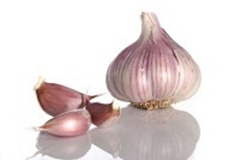
Garlic not only adds a wonderful flavour to food, but also comes packed with many health benefits.

garlic -0

Garlic has long enjoyed the reputation of a wonder food because of its unmatched health benefits. Garlic belongs to the onion family and has been used since centuries for both taste and health. The garlic plant's flowers - bulb made up of numerous sections called cloves - are strong and spicy in flavour and become milder on cooking.

Garlic contains complex compounds including amino acids like arginine, glutaminic, aspartic, valine & lysine; minerals like calcium, manganese, potassium, iron, zinc, copper, sodium and phosphorus; vitamin C & B6; niacin; folic acid; allicin; quercetin; sugars like fructose and glucose and other essential oils with sulphur containing components like diallyl disulphide and allyl tri-sulphide.

g-1

Health benefits of garlic

Prevents cardiac disease: Cardiac diseases are associated with various parameters including high level of blood cholesterol, blood pressure and blood sugar. The allicin present in garlic breaks down to form sulphides, which together with vitamin B6 and vitamin C form the excellent antioxidants. These work especially well in water-soluble areas of the body like the blood stream.

The oxidised form of LDL (bad cholesterol) works in damaging blood vessels. Garlic has proved to inhibit the growth of oxidised LDL and increase the level of HDL (good cholesterol), thereby reducing the risk of heart stroke. Moreover it reduces the formation of plaque on the walls of heart vessels.

Half a teaspoon of crushed raw garlic taken before going to bed proves beneficial instead of taking a 600 mg tablet. Studies also reveal that garlic has properties to increase insulin in the body thereby reducing the blood sugar level.

Garlic also reduces blood pressure by blocking the angiotensin activity that triggers blood pressure levels.

garlic

Fights against cancer: Crushing garlic leads to the formation of compounds like diallyl disulphide and allyl tri-sulphide, which is why consuming it in its crushed form is highly recommended. These compounds work to fight against breast, stomach, bladder and prostate cancer. Garlic obstructs the development of cancerous cells, thereby slowing down the growth of tumour. It has been noticed that sulphur compounds commonly called ajoenes found in garlic are known for their anti-tumour qualities and can reduce the size of tumour by almost 50%. A strong immune system is a key to fighting against cancer and garlic helps to develop a strong immune system.

Improves immunity: Garlic has anti-bacterial, anti-fungal and anti-viral properties. The allium present in garlic helps in controlling infections caused because of bacteria, fungi and viruses. Garlic helps to fight common cold. Studies reveal that crushed garlic can inhibit the growth of infectious bacteria in burn patients and also on open and bleeding wounds. Garlic provides relief from intestinal infections caused by infectious worms, thereby boosting the immunity.

g-2

Good for pregnant women:Healthy nutrients found in garlic are highly beneficial for pregnant women. The immunity boosting qualities of garlic can help women stay away from infections caused by bacteria, virus and fungi. Moreover, garlic has proved to be effective in increasing the weight of the child during pregnancy.

Pre-eclampsia is a situation in which blood pressure increases, resulting in excessive release of protein in the urine. Garlic is a diuretic and can increase the flow of urine in pregnant women which in turn expels toxic substance from the human body and helps to reduce the risk of developing pre-eclampsia.

It should be noted however, that excessive garlic is not recommended during pregnancies, as it causes thinning of the blood, which may lead to bleeding.

The problem with garlic

The biggest problem with garlic is it's strong smell, that causes bad breath and body odour. One tip to reduce bad breath caused by garlic is to consume it with milk. Also, cooked garlic has a significantly lesser smell than raw garlic.

LinkWithin

Related Posts Plugin for WordPress, Blogger...